











The International Award UCLG - Mexico City - Culture 21 recognises cities and individuals who have distinguished themselves in the promotion of cultural rights for local sustainable development.
The Rules of the 7th edition of the Award are available.
CITY / LOCAL OR REGIONAL GOVERNMENT
The application form to submit a candidacy to the Award is open until 12 March 2026.
>> Access it here.
INDIVIDUAL
The nomination form to submit a candidate to the Award is open until 12 March 2026.
>> Download it here.
The results of the 7th edition of the Award were announced at the UCLG World Congress in Tangier, in June 2026.
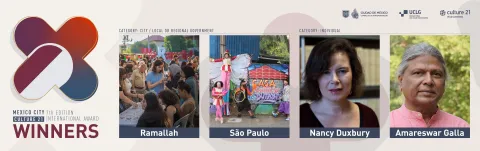
The Jury decided that the winners of the "City, Local or Regional Government" category (in alphabetical order) were the candidatures: “Living Heritage for a Resilient Future”, submitted by Ramallah, and “VAI Program (Valorization of Cultural Initiatives)” submitted by São Paulo.
The Jury also decided to award a special mention to: Munich, Pichincha, Recife and Salvador.
The Jury has decided that the Individual Award be shared ex-aequo by: Prof. Dr. Amareswar Galla and Dr. Nancy Duxbury.
Check out the video, presented at the UCLG Executive Bureau in Mexico City (2026), to discover more about our shared journey with Mexico City throughout these seven editions of the Award. Join us in celebrating the legacy that continues to place cultural rights at the heart of local sustainable development! Available at:https://www.youtube.com/watch?v=SIxSkFL2vl8
The Jury of the 7th International Award UCLG – Mexico City – Culture 21 is formed by the following five members, all of whom are prestigious international experts with impeccable trajectories in the cultural field.
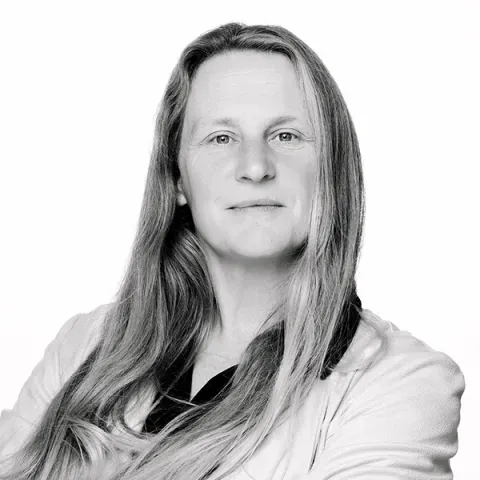
Iseult Dunne is Chief Executive of Dublin City Council Culture Company. She is Project Director and Producer focusing on activating cultural audiences and participation, and Leader of the 2015 team for Dublin’s European Capital of Culture 2020 bid process.
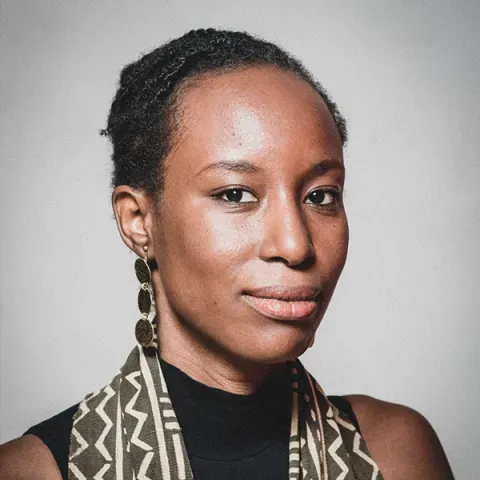
Yarri Kamara is an independent cultural policy researcher, writer and translator. She provides research and policy advice to institutions and governments supporting cultural sector development, particularly in Africa. She is a member of the UNESCO 2005 Convention Expert Facility.
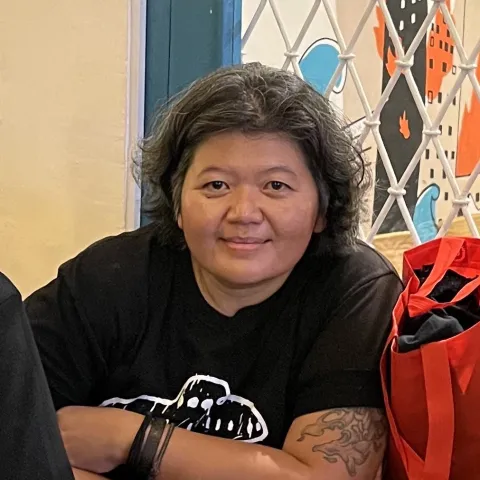
Tita Larasati co-founded Bandung Creative City Forum in 2008. She is the Focal Point of Bandung City of Design, UNESCO Creative Cities Network; member of the Global Creative Economy Council, and Head of Master in Design Program at the Faculty of Art & Design, Institut Teknologi Bandung (ITB).
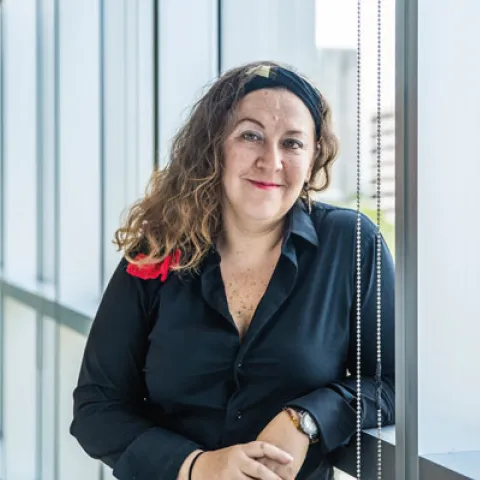
Ana Francis López Bayghen Patiño is the Secretary of Culture for Mexico City since October 2024. She is a cultural promoter, activist, feminist, actress and theatre director. She served as a local councillor and chair of the Equality Committee of the Mexico City Congress from 2021 to 2024.
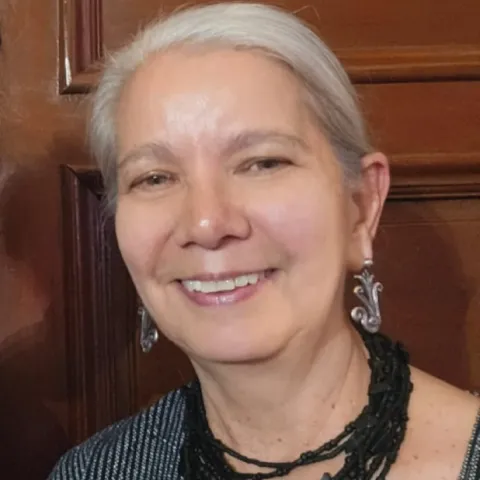
Rocío Lombera is the General Coordinator for International Affairs at the Mexico City Government. An architect and community educator, she has over four decades of experience in urban and social management, with a perspective centred on full rights, social and territorial justice, and well-being.
See below the document of presentation and the communiqué of the International Jury of the 7th edition of the Award.
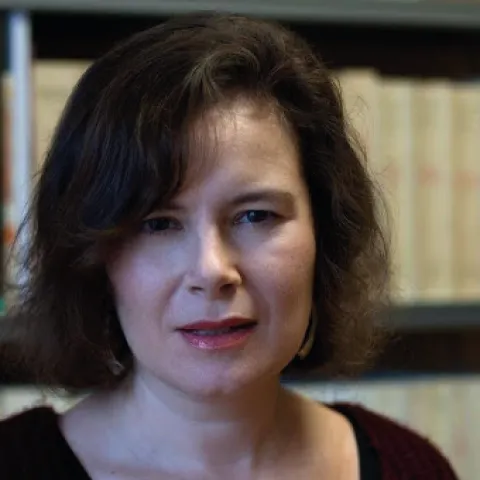
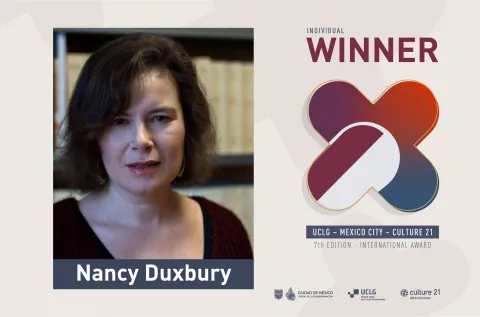
PhD. in Communication from Simon Fraser University in Canada. Nancy Duxbury is a leading scholar in the global conversation on culture in sustainability. She is a Principal Researcher at the Centre for Social Studies of the University of Coimbra, Portugal, where she has worked since 2009. She leads the coordination of the interdisciplinary research group on “Urban Cultures, Sociabilities and Participation,” the CREATOUR Observatory on Culture and Tourism for Local Development, and co-coordinates the PhD programme “Cities and Urban Cultures.” The work of Nancy Duxbury focuses on policies for the integration of culture into sustainable local development, as well as on models of cultural development in small communities. She also investigates the interdisciplinary field of cultural mapping, which encompasses the fields of academic research, collective practice and art to understand and articulate meaningful cultural resources and how places hold culture.
Nancy Duxbury is the coordinator of a four-year Horizon Europe research project, entitled “IN SITU: Place-based innovation of cultural and creative industries in non-urban areas.” She was also the leader of a major three-year research project on creative tourism in Portugal called "CREATOUR: Creative tourism destination development in small cities and rural areas." Her research is interdisciplinary in nature, and both the events she organises and her publications are meeting places that bring together academic and practical knowledge, as well as artistic approaches. She is an adjunct professor at the Simon Fraser University School of Communication and Thompson Rivers University's Department of Journalism, Communication, and New Media. She is also a co-founder of the Creative Cities Network of Canada.
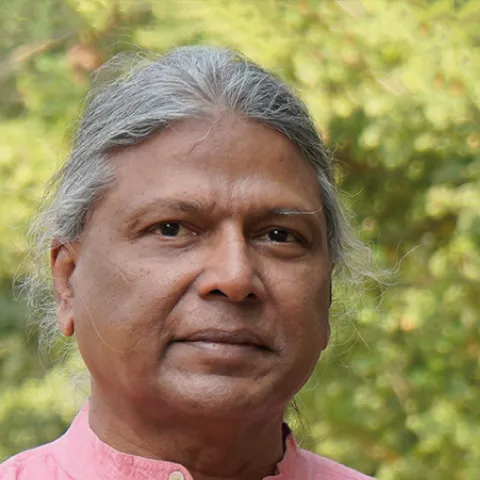
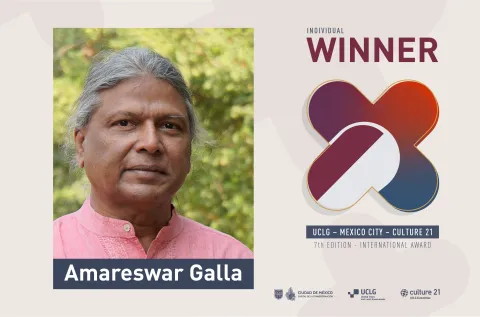
Salzburg Global Fellow (2019 & 2025); Emeritus Faculty, Australian National University, Canberra is the Founding Executive Director of the International Institute for the Inclusive Museum (iiiM). Distinguished Professor of Indigeneity and Inclusive Museum & Heritage Studies (KISS & KIIT), Galla is a globally renowned expert in sustainable heritage development, inclusive museum management, cultural democracy, intangible heritage, the role of culture in poverty alleviation, and the integration of community voices with heritage conservation. He has provided strategic cultural leadership, serving as Australia’s first Professor of Museum Studies and as Chief Curator in Amaravathi Heritage Town. Throughout his career, Galla has contributed to advancing inclusive museums and sustainable heritage development and establishing regional observatories and programs in partnership with bodies including UNESCO.
His engagement has been visible across Australia, Europe, and the Pacific Asia region, developing strong networks of collaboration at the international level. Among other positions, he has been the UNESCO Chair on Inclusive Museums and Sustainable Heritage Development; he was also the first Australian elected as the President of the Asia Pacific Alliance Executive Board, Vice President of the International Executive Council, and Chairperson of the Cross-Cultural Task Force of the International Council of Museums. He was the founder of the National Affirmative Action Programme for Aboriginal and Torres Strait Islanders in Museum Studies and Cultural Heritage Management at the University of Canberra, in the 1980's and 90's and is a Senior Founding Trustee of the Pacific Islands Museums Association and founding Editor-in-Chief of academic journals dealing with Sustainable Heritage Development.
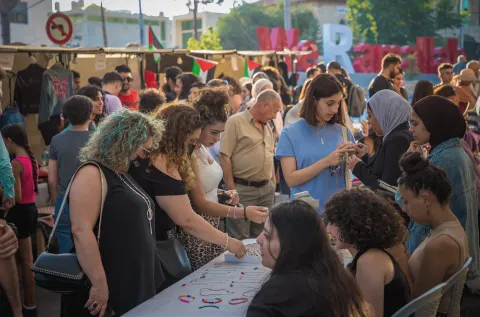
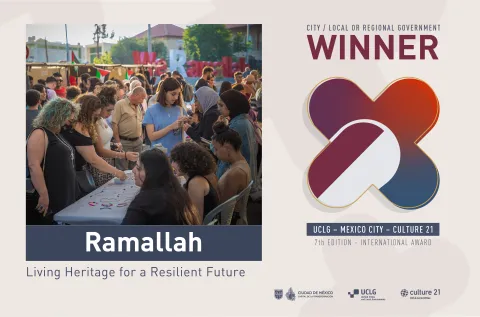
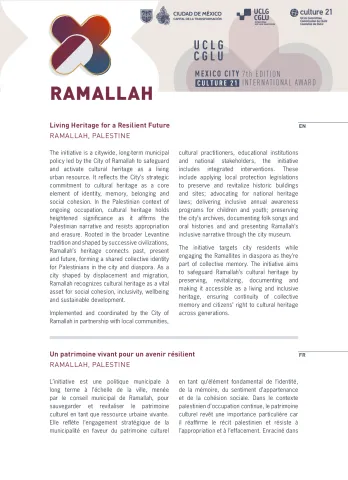
“Living Heritage for a Resilient Future” is a long-term municipal policy that aims to safeguard and activate cultural heritage as a living urban resource. Facing a context of ongoing occupation, this citywide initiative reflects the city’s strategic commitment to preserve, revitalize, document and make accessible cultural heritage as a core element of identity, memory, belonging and social cohesion. The initiative brings together local communities, cultural practitioners, educational institutions and national stakeholders, to put in place targeted interventions, including local protection legislations, inclusive annual awareness programmes, and the preservation of the city’s archives and museum. The Jury highlighted this initiative as a remarkable example of a wide and solid local policy based on cultural rights and with a gender perspective that values and ensures continuity of collective memory and heritage across generations.
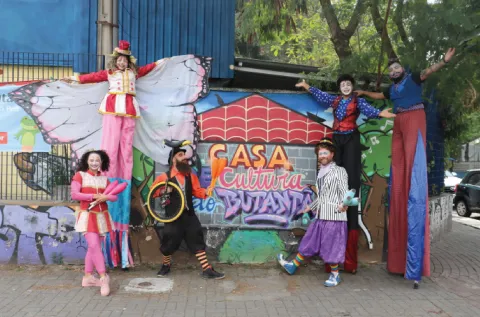
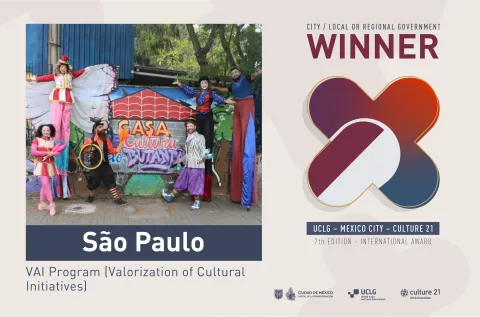
“VAI Program (Valorization of Cultural Initiatives)” is an initiative that recognizes young people as creators and producers of actions relevant to society, across a wide variety of artistic and cultural expressions. VAI Program provides financial support for artistic and cultural activities, primarily those developed by low-income youth from areas lacking resources and cultural facilities in the city of São Paulo. It is based on the acknowledgement of culture as a fundamental right, and on the understanding that it is the responsibility of the public sector to promote and encourage such practices, especially in the city’s peripheral areas. The Jury emphasizes the positive impact that this initiative has had over the years, including the promotion of civic participation of youth in the implementation and evaluation of cultural policies, and its recognition as an important public tool for social inclusion and gender equality.

Munich (Germany), for “#FemaleHeritage”. The project acknowledges that collective memory, narratives and imaginaries are fundamental cultural elements in open and vibrant cities, and focuses on addressing historic inequalities, specifically those related to the underrepresentation of women in literature, knowledge and science communication. Archivists, curators, educators and librarians in the municipal archive of Monacensia are helping to bring digital this curation and networking initiative beyond Munich.
Read the full summary here.

Pichincha (Ecuador), for “The Pichincha Urban Art Festival”. The purpose of this public festival is two-fold: it promotes urban visual art through the participation of national and international artists with experience and expertise in graffiti and muralism; and it develops creative proposals centred on the prevention and elimination of violence against women. The festival, which organises artistic educational activities for children and young people, constitutes and illustrative example of how culture contributes significantly to fostering dialogue, reflection and positive transformation through art.
Read the full summary here.

Recife (Brazil), for “Free Play: Recife for Women’s Right to a Carnival without Violence”. This project addresses structural inequalities existing in a massive cultural event such as the Recife Carnival. Acknowledging that the festive period is a time of vulnerability for women, who are exposed to harassment and gender-based violence in public space, Free Play coordinates prevention, assistance, and care and guidance interdepartmental services to ensure the enjoyment of public spaces with freedom, dignity, and safety, and to guarantee cultural rights for all.
Read the full summary here.

Salvador (Brazil), for “The Salvador Capital Afro Movement”. This initiative is a is a strategic public policy that connects culture, tourism, and the Black creative economy as a strategy for inclusive, sustainable, and anti-racist development. It integrates public policy, cultural identity, and economic development through an Afrocentered and historically reparative approach, designed to address inequalities and provide equal opportunities through an innovative model in Brazil that is strengthening the international visibility of the city.
Read the full summary here.