

The State of Artistic Freedom 2019

The State of Artistic Freedom 2019

Freemuse’s new report The State of Artistic Freedom 2019: Whose Narratives Count?  is an in-depth analysis of 673 cases of violations of artistic freedom that occurred in different cultural spheres in 80 countries throughout 2018. It identifies key challenges for artists’ freedom of expression and points out violation patterns and trends. Additionally, the report calls for accountability for these violations.

The report illuminates counter-terrorism legislation as a troubling and growing method of violating freedom of artistic expression. In 2018, 19 artist were imprisoned and 10 were detained under the guise of counter-terrorism. Freemuse’s research concludes that nine countries (Belarus, Egypt, Georgia, Israel, Nicaragua, Russia, Spain, Turkey and the United States) are found to have used anti-terrorism and anti-extremism legislation and measures against artists in 2018.

Check also this video of the UN Special Rapporteur in the field of Cultural Rights, Karima Bennoune, on Freemuse's report on the State of Artistic Freedom (SAF) 2019.

International Children’s Culture Forum

International Children’s Culture Forum

The first International Children’s Culture Forum in Finland will take place in the city of Tampere in fall 2019. The forum’s aims are to widen international co-operation and to deepen the shared understanding of the value base of children’s rights and their role in a well-functioning society. In this context, a call for presentations has been open and will end on 28th April 2019.

The call will welcome innovative examples of policies, practices and research on children’s arts and culture, and will be looking for presentations or short workshops that describe or analyse at least one of the conference themes. Presentations can focus on policy, practice or research.

See the call here, and submit a abstract here.

ENCATC Call for submissions

ENCATC Call for submissions

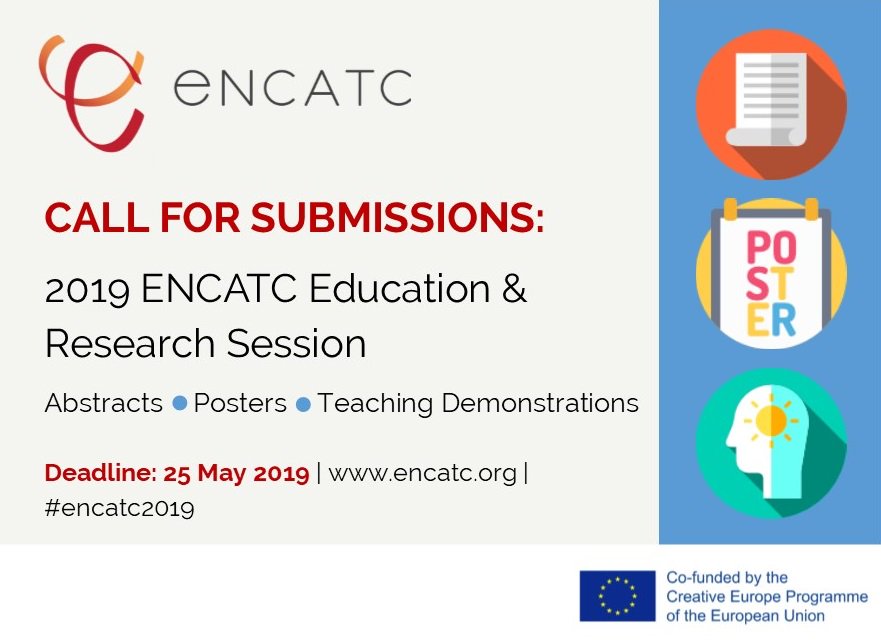
On 4 October 2019 in Dijon, France, academics, researchers and practitioners from Europe and beyond will present their latest work during this session, organised in the framework of the 2019 ENCATC Congress on Cultural Management and Policy "Diversity and sustainability at work. Policies and practices from culture and education” (2-5 October). This gathering of the international education and research community will provide a unique interdisciplinary environment to get the latest world-class research conducted on cultural management and policy.

in this context, ENCATC launched an open call for submissions -abstracts, posters and teaching demonstrations-, which will be open until 25 May 2019.

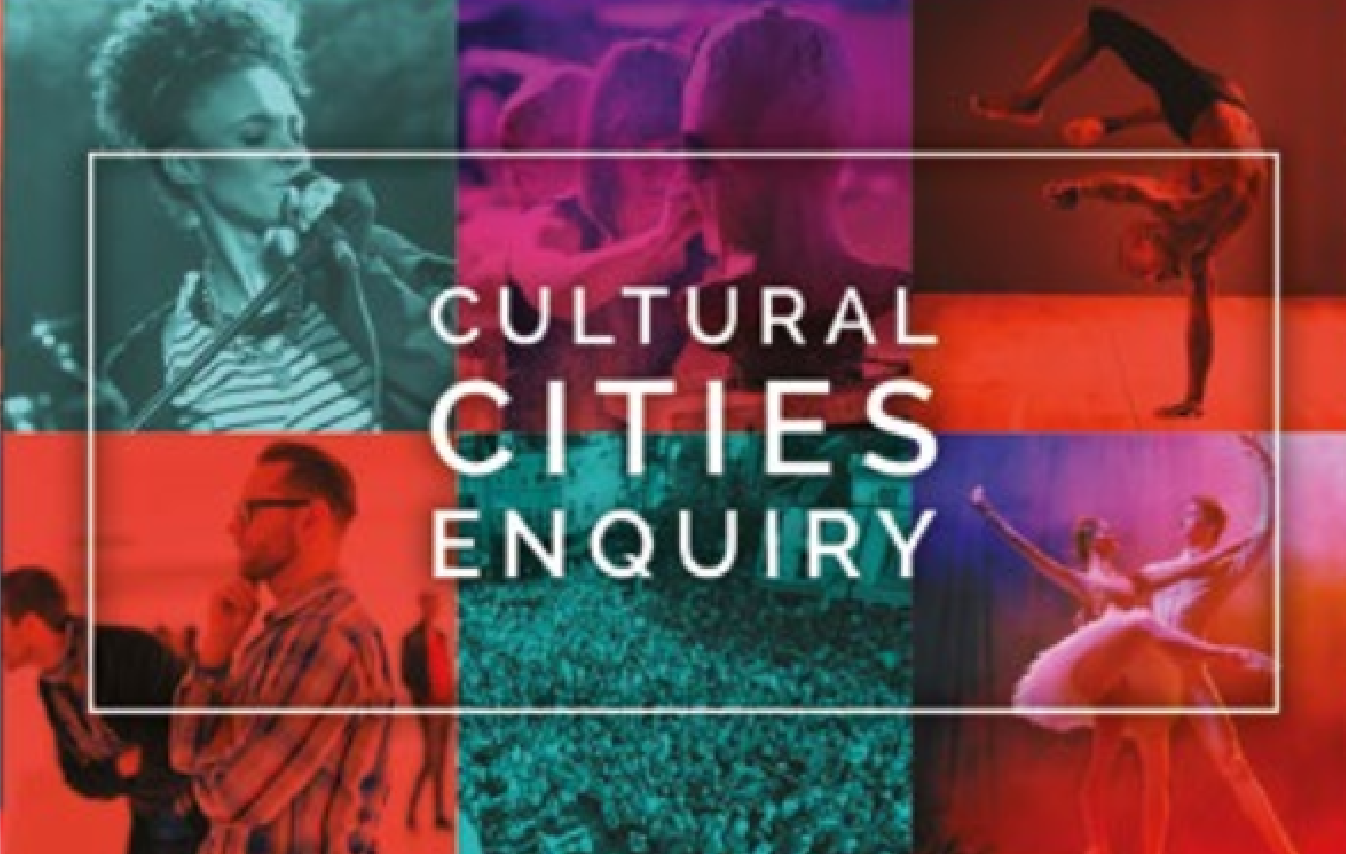
Final report of the Cultural Cities Enquiry

Final report of the Cultural Cities Enquiry

The Cultural Cities Enquiry has published its final report.

The Cultural Cities Enquiry came together in March 2018 to develop a new model to help culture flourish in cities in the context of diminishing public funding in UK. The Enquiry outlines how UK cities can make greater use of cultural assets to promote thriving communities and to compete successfully for talent, tourism and investment – while developing new income streams that will support culture for the long term. It also emphasise the role of culture in attracting people to cities as places they want to work, live, and play.

The report demonstrates how business and cultural sectors can work together to plan and support local growth through culture, based on their shared interests in promoting creative and digital innovation, capturing external investment and attracting and nurturing talent.

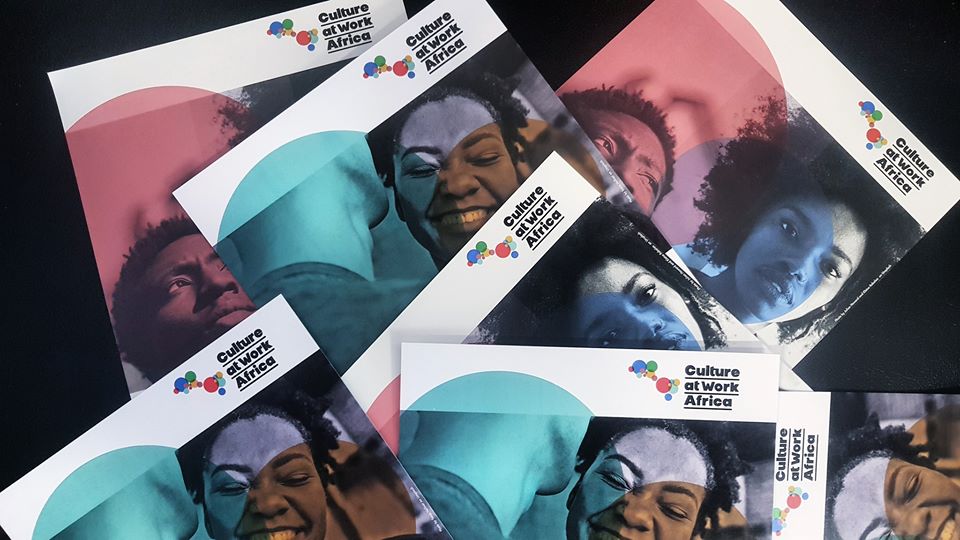
Culture At Work - 2nd Call

Culture At Work - 2nd Call

The project Culture at Work Africa has launched the Second Call for proposals addressed to 15 African countries! The call is looking for innovative on-the-ground projects aiming at developing safe and neutral spaces for intercultural dialogue and at promoting active citizenship and intercommunity relations.

The deadline for submission is Monday, 15 April 2019 at 12:00 (GMT).

To know more about the Culture at Work Africa project, please visit the dedicated website.

Read the communiqué.

A Restless Art, by François Matarasso

A Restless Art, by François Matarasso

The community and participatory arts worker François Matarasso just published a new book entitled 'A Restless Art. How participation won, and why it matters'. 

A Restless Art is about community and participatory art. It's about what those practices are, how people think about them, why they're done and what happens as a result. It's called 'A Restless Art' because this work is unstable, changing and contested. It involves a range of ideas and practices. It crackles with artistic, political, ethical and philosophical tensions that give participatory art life, energy and creativity. They are what make it matter in people's lives.

The book is freely available online.

More info about the book here.
More info about the author here.

8th IFACCA World Summit on Arts and Culture

8th IFACCA World Summit on Arts and Culture

On next 11-14 March 2019, the International Federation of Arts Councils and Culture Agencies (IFACCA) will organize its 8th World Summit on Culture & Arts, entitled "Mobile Minds: Culture, Knowledge and Change", in Kuela Lumpur, Malaysia.

This Summit will bring together leading policy makers, researchers, managers and practitioners from the arts and culture sector from around the world to address these issues and examine how governments, cultural organisations, creative practitioners, and citizen can - and do - work together to actively lead change.

See official website of the 8th IFACCA World Summit on Culture & Arts.

Intangible heritage for local cultural vitality

Intangible heritage for local cultural vitality

The Quebec Council of Living Heritage (Conseil Québecois du Patrimoine Viviant, CQPV in its original title) recently released a new document providing guidance for municipal administrations. This guide was elaborated in stretch collaboration with the Canadian Ministery for Culture and Communications.

Intanglible Heritage for Local Cultural Vitality includes sections on what is living heritage, how to promote and support its development; it is also about the Canadian Law on Cultural Heritage, ant it provides civil society resources to learn more about the issue.

Culture and Local Development

Culture and Local Development

The OECD (Organisation for Economic Co-operation and Development) recently released a new publication on "Culture and Local Development" on the role played by cultural activities in local development.

There has been a growing interest in the role played by cultural activities in local development. When major traditional industries declined or disappeared at the end of the last century, cultural tourism and creative industries have been recognised as both a heritage and a lever for future development.

Central and local governments were mandated to develop infrastructures for cultural creation and heritage conservation, to widen the accessibility to cultural goods and services, and to ensure that culture reinforces the image of their territories. These objectives remain valid, but the context has evolved, influenced by several trends.


Read the full report here

Report 7

Report 7

The Committee on Culture of UCLG recently released its 7th report, entitled "Cultural Heritage and Sustainable Development. Key themes and examples in European Cities", and elaborated by Jordi Batlà Portolés, expert on local cultural policies and sustainable cities.

Since the adoption of the Agenda 21 for Culture in 2004, the Committee on Culture of United Cities and Local Governments (UCLG) promotes the understanding of culture as a fundamental dimension in sustainable development. This nexus gains particular importance at the local level, as reflected in the cultural policies of local governments and in the cultural values and practices of individuals, groups, civil society organisations and other stakeholders. Cultural heritage, including its tangible and intangible aspects, is a testament to human creativity, as well as a resource for the construction of the identities of people and communities. As with other components of cultural life, the aspects that make up cultural heritage, including memory and knowledge, pertain to the core of human dignity, and respecting, protecting and enhancing them requires appropriate rights-based, people-centred policies. The latter should recognise that cultural heritage is alive, diverse and constantly changing, and that its components and meaning evolve and interplay with the other dimensions of sustainable development, including social, environmental and economic aspects.

More reports from the Committee on Culture of UCLG here.

SHARE